Finishing Blind Panic
How do you finish a micro‑budget film after tragedy and setbacks strike, and New Zealand’s film funding system won’t take your calls? You push through anyway, because sometimes stubbornness and heart are worth more than a grant.
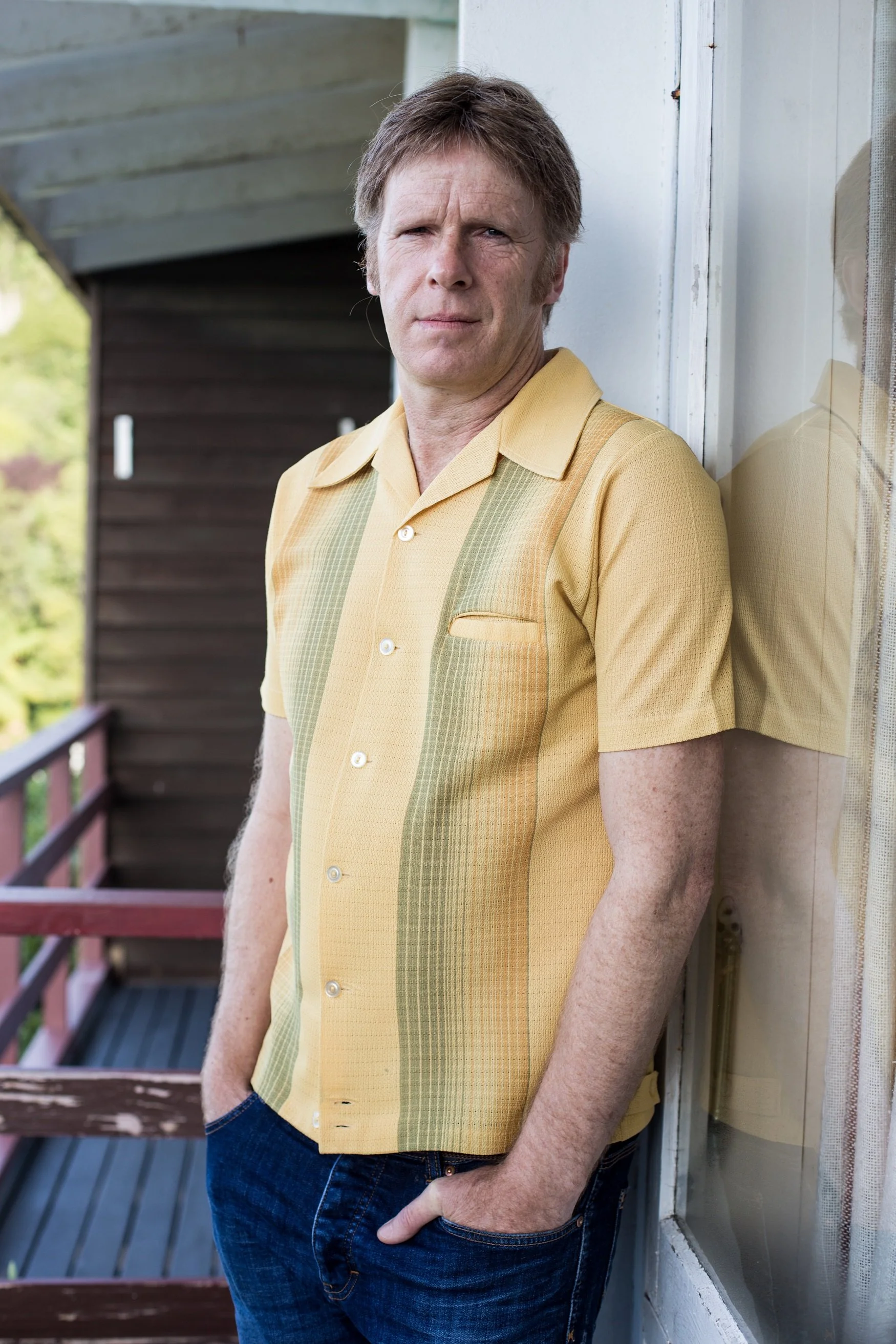
Mark’s director portrait photographed by Antony Kitchener.
Background: Blind Panic is the debut feature film of director Mark Willis and producer Matthew Mawkes. The film came about when Mark and Matthew decided to fulfil a long-held dream of making a quality genre movie in their own backyard. Needing a low-budget idea, Mark came up with a story about a man on home detention, while Matthew hatched a story about a blind woman trapped in suburbia. The ideas merged and Blind Panic was born.
Blind Panic was funded by a Kickstarter campaign and filmed on a shoestring budget in Wellington, New Zealand, over 21 days, in April-May 2017. It then took several years of editing and re-shoots to turn Blind Panic into the crime thriller Mark and Matthew originally envisioned. The project also faced a major set-back with the tragic killing of Mark in May 2023. Fortunately, Mark was able to sign off a cut of the film before his death.
This has been a filmmaking journey with ups and downs like no other. But the final product is a crime thriller Mark would be proud of.
The final chapter in the Blind Panic story begins with something I can’t avoid: Mark’s death in May 2023. It’s incredibly hard to write about, because Blind Panic isn’t a Hollywood production – it’s a film made by friends, on a shoestring, with a huge amount of heart. But to close this chapter honestly, I have to acknowledge it. I also can’t ignore the fact that losing a director to homicide before their film is released is almost unheard of. The only parallel I can think of is Pasolini, murdered just three weeks before Salò premiered in 1975.
What makes it even harder is that Mark was killed by his partner, someone many of us knew and cared about. It felt like a double loss, and the shock of it was immense.
I first heard the news from one of Mark’s oldest friends in Dunedin. Shocked doesn’t come close actually; it was more like total shellshock. What followed was the worst day of my life: having to tell people what had happened. Every conversation devastated someone new, and each time I delivered the news, it felt like another piece of my soul broke away. Mark was loved by so many – far more than I ever realised.
One of the people I had to call was director Robert Sarkies. Mark had worked on several of his productions, and they’d been close since their Dunedin days. Rob was determined to give Mark a proper send-off, so together we organised a memorial that felt true to him. Held in a rustic bar on Cuba Street, it was lit, filmed, and livestreamed – almost like a small film production – while I created a kind of shrine to Mark. I know that service meant a great deal to a lot of people.
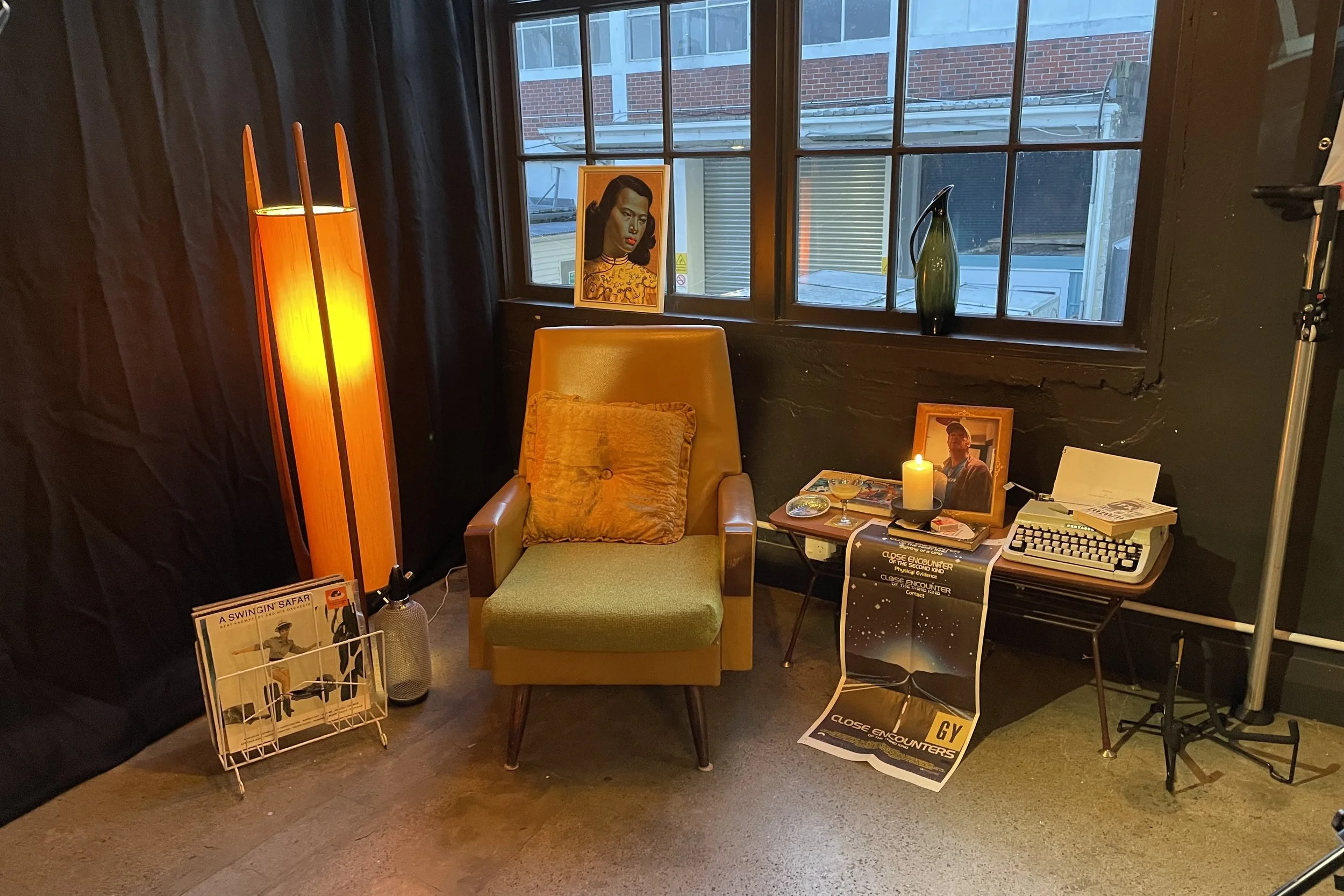
Our little shrine at Mark’s memorial included retro items such as a copy of A Swingin’ Safari, paua shell ashtray, Close Encounters of the Third Kind movie poster and typewriter.
In the days that followed, I learned how cruel the media can be. Not just reporters, but the comments sections too. One woman wrote beneath a NZ Herald article, “He was probably an awful guy and got what he deserved.” Months later, High Court Justice Lisa Preston stated clearly that Mark was “entirely blameless.” But in the meantime, I had to contact the Herald and ask them to remove the comment.
And that was only the beginning. The months after Mark’s murder were a blur of grief, logistics, and responsibilities I never imagined I’d have to shoulder. I was the executor of his estate – one of those things you agree to, assuming it will never actually come up. But I don’t want to dwell on the darkness, because through all of it, we still had a film to finish. And increasingly, finishing it felt like the only way to honour Mark who, thankfully, had signed off on a cut of the film before he died.
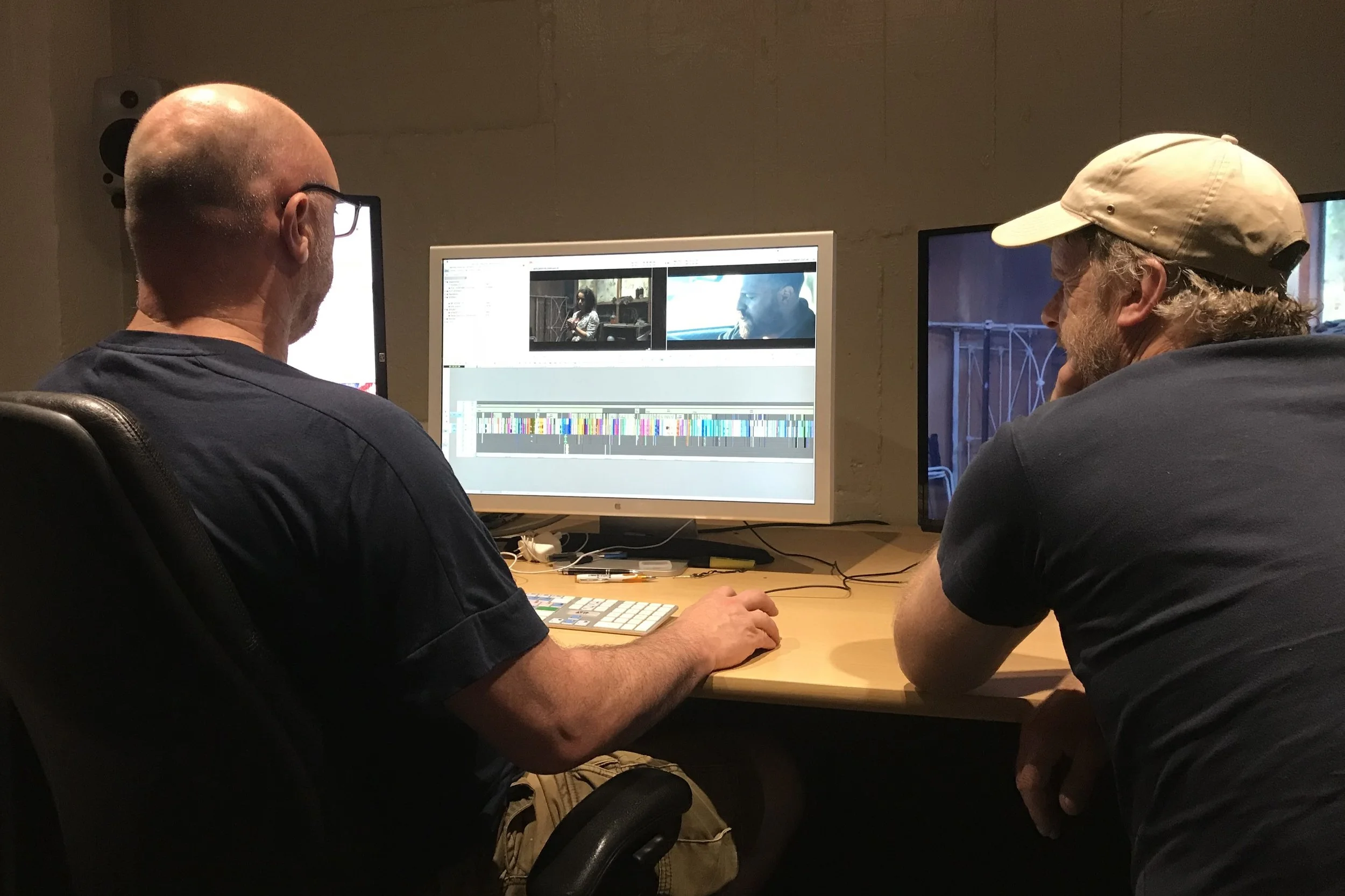
Our editor Jeff (left) with Mark on one of their many editing days.
We still had some major hurdles ahead of us: the sound mix, score, visual effects, colour grade, and final mastering. All expensive, all unavoidable. Which is why we decided to approach the New Zealand Film Commission again.
The NZFC has a fund called the Film Finishing Grant: up to $60,000 to help filmmakers complete their features to the highest possible standard. Perfect for us. We met every criterion. And yet, of course, the NZFC said “no.”
Ainsley Gardiner, Head of Funding, wrote: “The film was assessed as better suited for a streaming platform as it didn’t feel the experience would be heightened by the theatrical medium. The distribution strategy and the cut do not feel strong enough to garner a more significant local, theatrical audience.”
Curious. I always thought the NZFC existed to support filmmakers, not cinema chains. The explanation felt like an excuse. And when I looked at the list of recent Film Finishing Grant recipients, I’d only heard of one. Perhaps that shouldn’t be surprising – according to the late producer John Barnett (Whale Rider), between 2020 and 2023 the NZFC spent around $85 million on more than 50 films that collectively made less than $14 million at the box office.
Many Film Commission staff have been fired since then, but somehow nothing really changes. Most New Zealand filmmakers will tell you the same – though unlike me, they have something to lose, with the NZFC still holding the taxpayer-funded purse strings.
With the NZFC, there’s always a symposium looming, or a “deep-dive workshop,” or – my personal favourite – a “strategic development session,” which is bureaucratese for please bring your own hope, we won’t be providing any. Aspiring filmmakers are invited to sit reverently at the feet of the masters, absorbing ancient wisdom like “attach a producer” and “strengthen your vision.” Never mind William Goldman’s immortal truth – “Nobody knows anything” – because in Wellington, everybody knows everything, especially when it comes to explaining why your project isn’t getting funded.
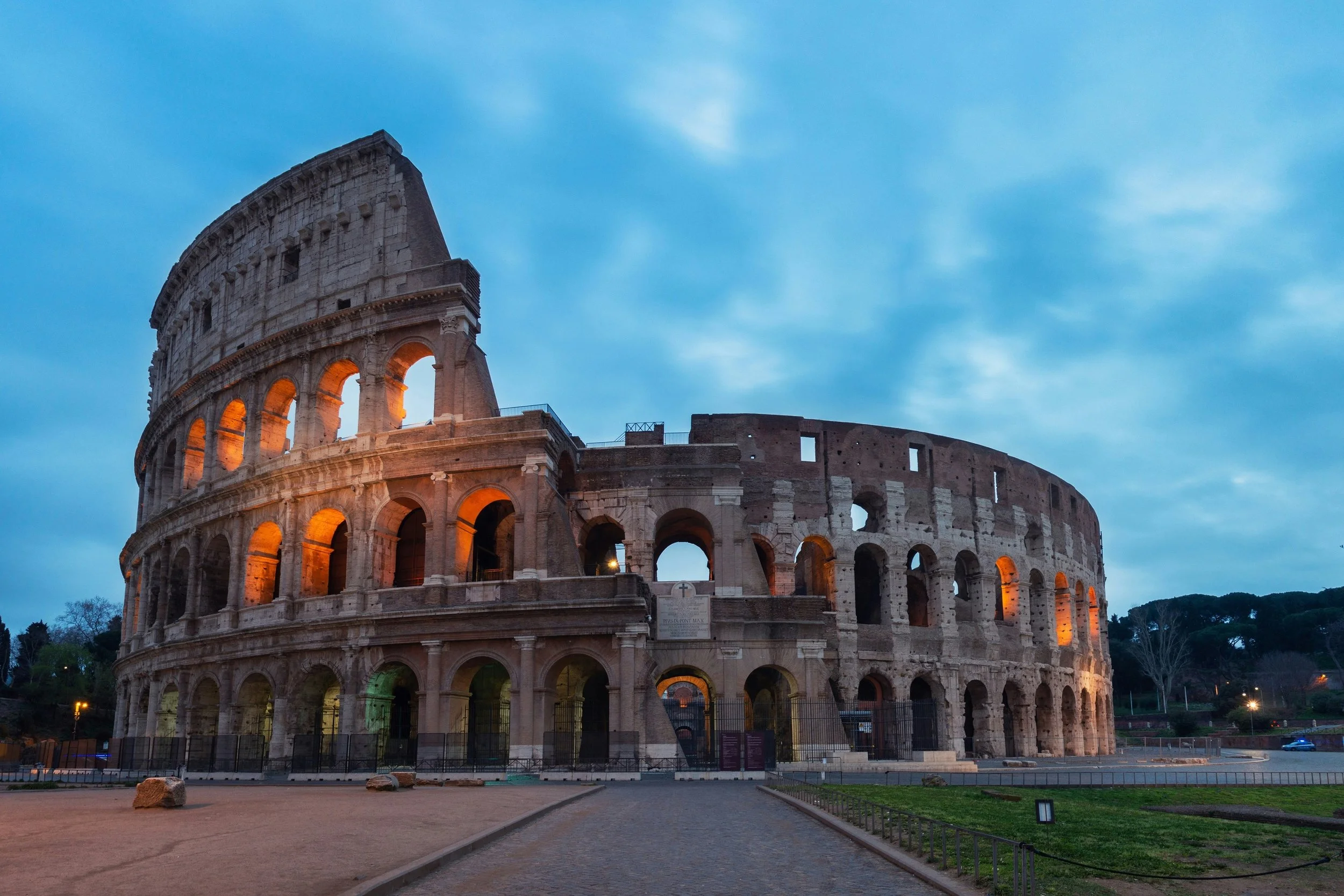
Applying for NZFC funding starts to feel like ancient Rome, if Rome had fewer lions and more spreadsheets. Filmmakers shuffle into the Colosseum clutching their scripts like sacrificial offerings, waiting for the Emperor – resplendent in branded lanyard – to deliver judgment. Communication is, of course, forbidden; mystery is part of the pageantry. The Emperor raises their hand. Will it be a benevolent thumbs up, granting life to your cinematic dream? Or the inevitable thumbs down, condemning it to the dusty catacombs of “we encourage you to reapply next year”? Spoiler: it’s thumbs down. It’s always thumbs down.
Do I sound bitter? Maybe I am. It isn’t even about the money; it’s the rudeness of it all. Emails unanswered. Phone calls ignored. A basic lack of courtesy toward nervous filmmakers who just need a fair hearing. Is that really too much to ask?
So, how do low-budget filmmakers like me get their films over the line? Simple: we bloody well have to pay for it ourselves. And pay for it I did – going massively into debt. But I don’t want to dwell on that either, because with each step of the process – sound mix, score, visual effects, colour grade, final master – I knew Mark would have been thrilled. We made sure everything was as true to his vision as we could possibly make it.
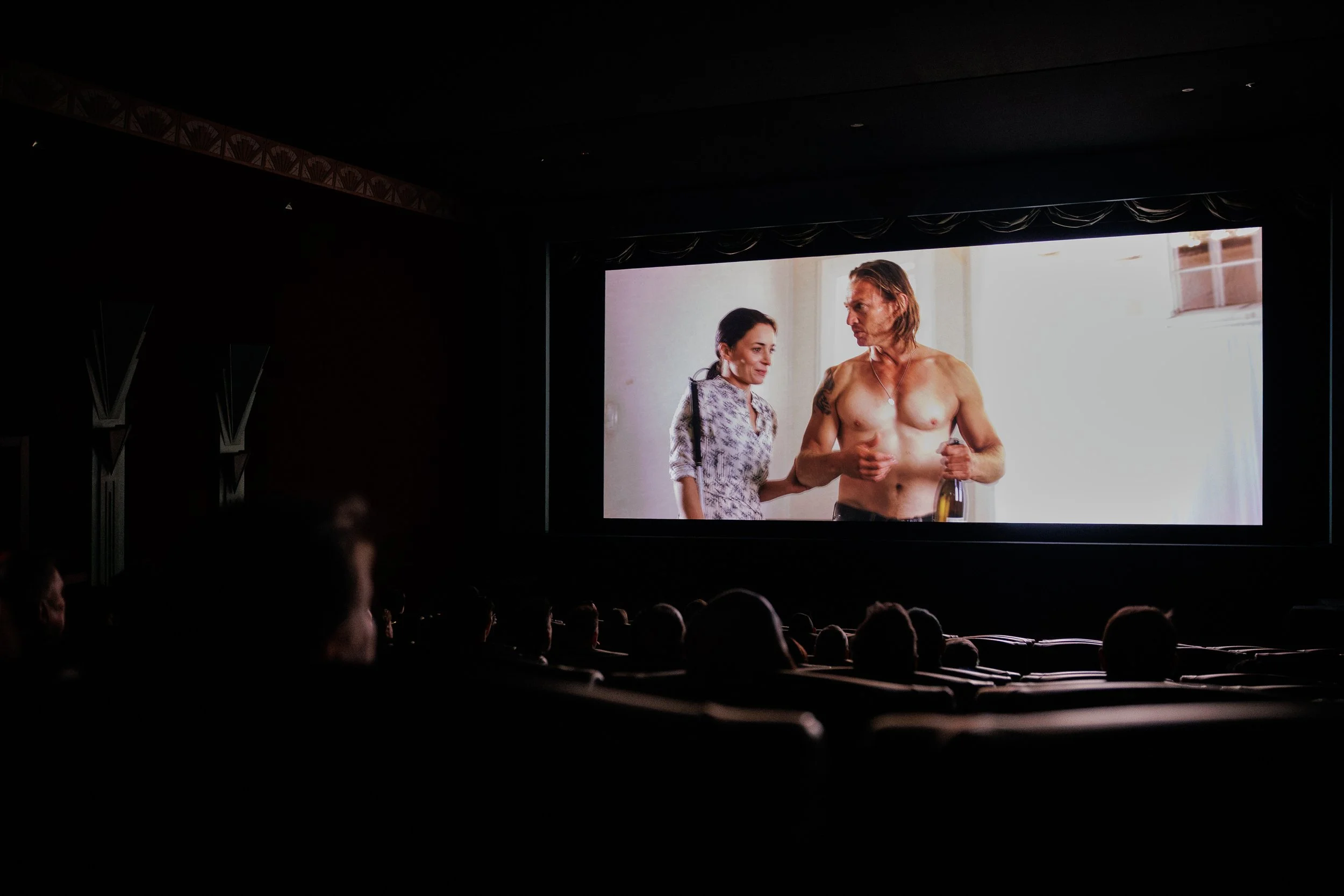
Blind Panic looks and sounds absolutely fantastic on the big screen.
When the time came for the Blind Panic premiere, I felt Mark’s presence more strongly than ever. He always used to joke that he was going to skip the premiere, but I could sense him there anyway – lurking in the back row, slipping out for a cigarette, rolling his eyes at any shot he thought he could have framed better. As I sat watching Blind Panic unfold, I heard the audience laugh where Mark and I hoped they would, and gasp where we knew they would. The movie worked – and it belonged on the big screen.
The New Zealand Film Commission were wrong to turn us down. Now, as the film is prepped for international distribution, I know that for a fact.
Looking back, it’s hard to believe how far we travelled from that balcony in Wellington, where a man on home detention and a blind woman afraid to leave her house first collided in our imaginations. We self-actualised as screenwriters over wine, cigarettes, and cue cards pinned to the wall. We became filmmakers through crowdfunding, favours, and sheer bloody-mindedness. We survived the brutal process of principal photography, reshoots, a pandemic, and the unthinkable loss of our director and friend.
And yet, somehow, the film made it through all of that. We got those pick-ups. We shaped the crime thriller we always wanted.
If there’s any lesson in this long, chaotic, heartbreaking, exhilarating journey, it’s this: sometimes you don’t wait for permission, or funding, or perfect timing. You gather your people, you write the script, you roll the camera, and you finish the film – for the story, for yourself, and for the ones who aren’t here to see the lights go down and the credits roll.
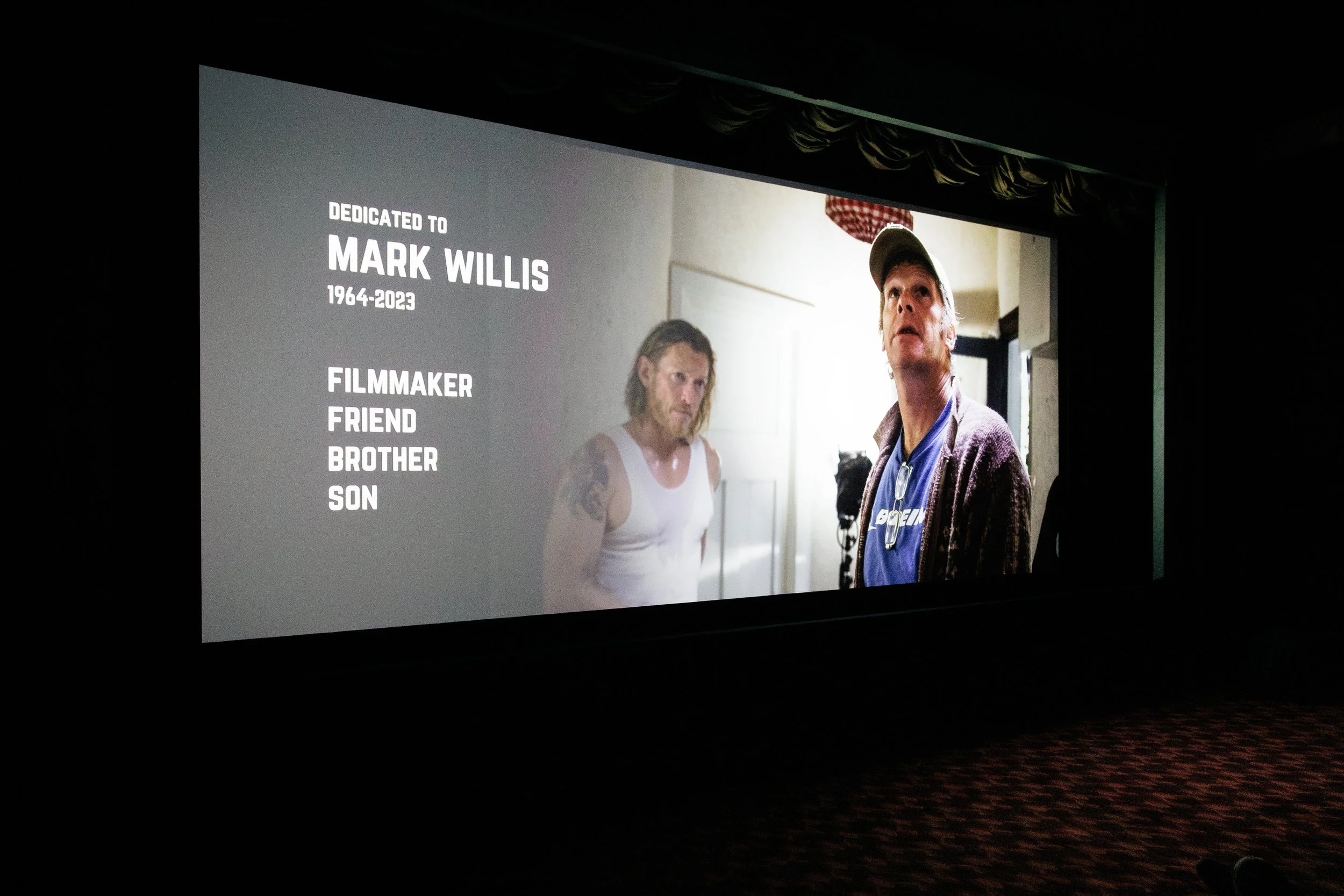
POSTSCRIPT
The making of a film – even a micro‑budget one – involves hundreds of people. This blog only scratches the surface of what it took to bring Blind Panic to life, and there isn’t enough space here to properly thank everyone who poured their time, talent, and goodwill into it. But I do want to give a special shout‑out to our cast, who carried the film on their shoulders, and to our investors, without whom none of this would have been possible. I didn’t fund this movie alone – far from it.
My deepest thanks also go to our co‑producers Jeff Hurrell and April Phillips, and to our executive producers Simon Phillips and Ken Bressers, who are now helping steer Blind Panic toward international audiences. Their belief in the film, and in Mark and me, kept this project alive more times than I can count.
Blind Panic will be streaming soon. For future updates, follow us on Facebook.
And finally: thank you for reading. As Blind Panic finds its audience, it will be because of every single person who stood beside us, even when the odds said we didn’t stand a chance.
MATTHEW MAWKES
Read our other blog entries here: